Demand Has Outgrown Your Systems
Demand has increased, but processes, staffing, or resources have not kept pace.
CAPACITY BEFORE GROWTH
Hamilton Consulting Services helps organizations identify what is limiting their performance, align their people and priorities, and build the leadership and systems needed to sustain better outcomes.
THE CHALLENGE
The work matters. The question is whether the people, systems, and resources behind it can keep pace.
Demand has increased, but processes, staffing, or resources have not kept pace.
Leaders and teams are working hard without a shared view of what needs attention first.
Data exists, but it does not consistently guide decisions or show progress.
Good work is happening, but systems and leadership continuity are needed to sustain it.
WHAT WE DO
Focused consulting and learning experiences that connect current reality to meaningful action.
Understand current strengths, constraints, and the gaps between goals and available capacity.
Explore the service ↗ 02 / ALIGNSet clear priorities and align mission, leadership, people, and resources around them.
Explore the service ↗ 03 / STRENGTHENStrengthen processes, measurement, accountability, and leadership practices that support lasting performance.
Explore the service ↗ 04 / SHAREBring capacity-building ideas to leaders and teams through presentations and facilitated learning.
Explore the service ↗THE HAMILTON METHOD
The Hamilton Method examines eight connected areas of organizational capacity. It starts with an honest view of current conditions, then uses that understanding to guide investment, improvement, and reassessment.
Explore the Eight Capacity DomainsSwipe to explore all eight domains →
Understand current reality through evidence and feedback.
Connect mission, strategy, people, resources, and priorities.
Use meaningful information to guide decisions and track progress.
Build the processes, tools, and systems that support the work.
Develop leaders, accountability, and continuity.
Manage change and adapt to evolving needs.
Improve efficiency and the use of resources.
Make effective practices part of how the organization operates.
FROM ASSESSMENT TO ACTION
A Transformation Roadmap can organize this work into phases, priorities, responsibilities, and progress measures tailored to the organization.
Identify strengths, constraints, and the evidence behind them.
Decide which changes will have the greatest practical value.
Strengthen the relevant people, systems, and practices.
Review progress, adjust the plan, and sustain what works.
The roadmap organizes recommendations into phases so leadership can see what needs attention, who owns the work, and how progress will be reviewed.
See the Transformation RoadmapWHO WE HELP
The context changes. The need for clear priorities, capable teams, and dependable systems remains.
Meet growing needs while strengthening operations, leadership, and the ability to demonstrate impact.
↗02Align people, processes, and resources to deliver services and sustain progress.
↗03Support demanding work with dependable systems, clear priorities, and effective teams.
↗04Build the leadership and operational capacity needed to support performance and growth.
↗
THE PERSON BEHIND THE METHOD
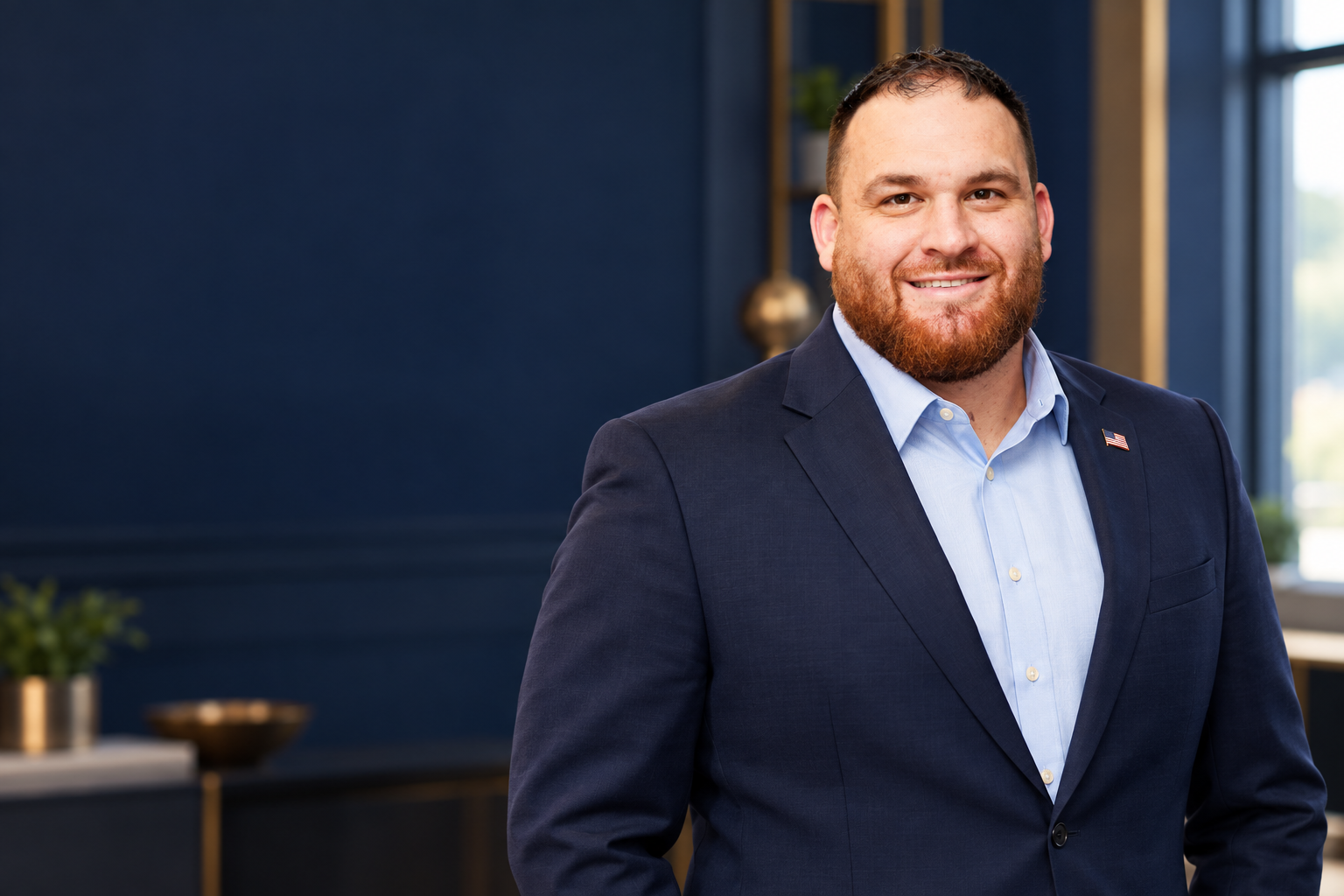
Rob Hamilton’s research into nonprofit capacity building helped form the foundation for the Hamilton Method. His approach connects honest assessment with practical priorities, stronger systems, and continuous improvement.
Rob’s verified credentials and full biography will be added after review.
WORKING TOGETHER
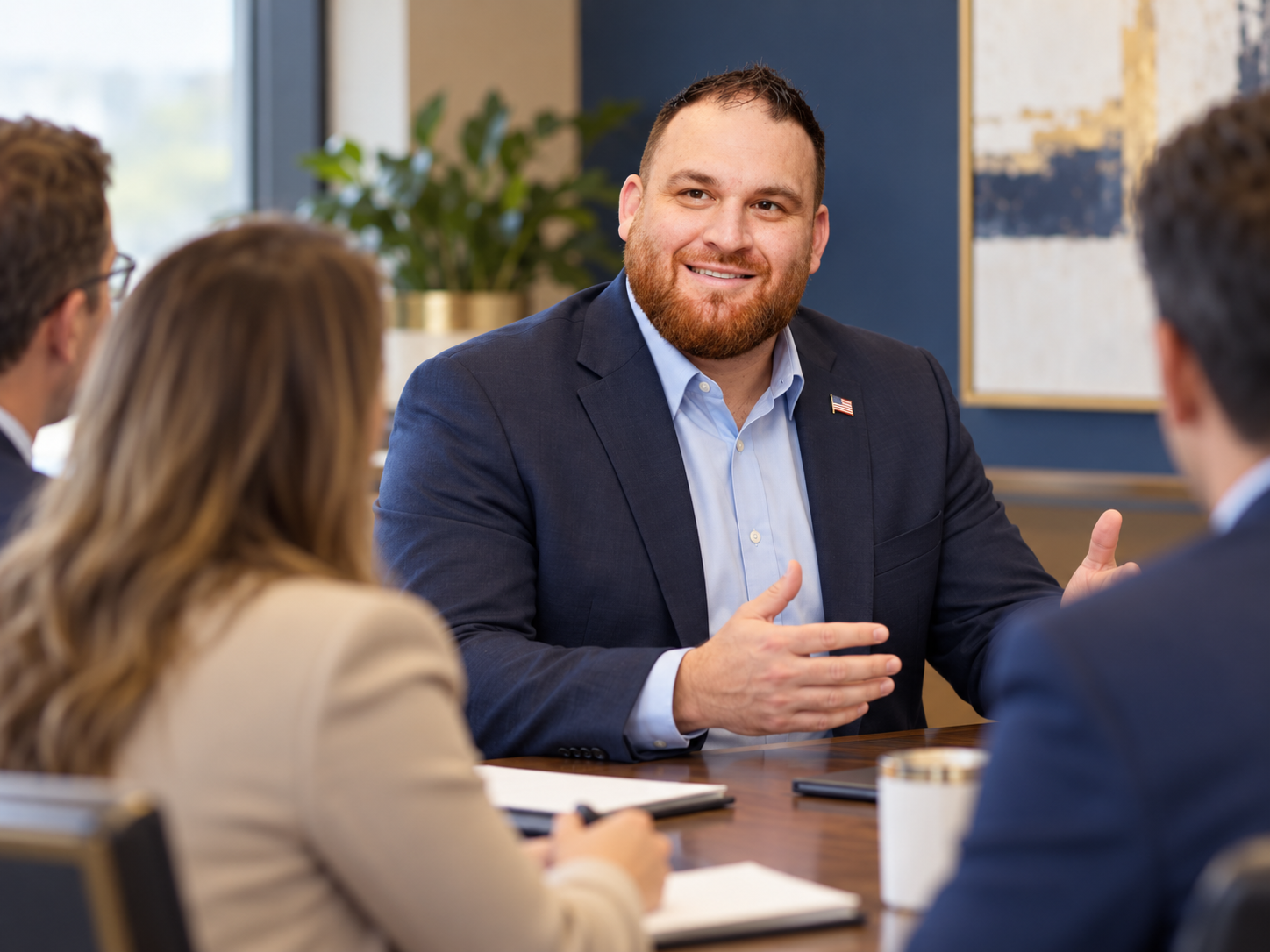
Rob brings the Hamilton Method to the table to help leaders examine the evidence, identify constraints, and focus on changes their organization can sustain.
Schedule a conversation with Rob
EVIDENCE & INSIGHTS
Explore the ideas, research, and examples that inform a capacity-first approach.
A clearly labeled illustration of how assessment findings can become a phased plan for action.
Explore the sampleUnderstand the leadership, systems, resources, and practices behind sustainable results.
Read the overviewHow research into nonprofit capacity building informed a broader practical method.
Explore the foundationCOMMON QUESTIONS
Clear answers to the first questions leaders often ask about capacity and the Hamilton Method.
Have another question? Get in touchOrganizational capacity is the combination of leadership, people, systems, resources, and practices an organization needs to carry out its work effectively. Building capacity helps an organization meet current demands and sustain progress over time.
The Hamilton Method examines eight connected areas of capacity, beginning with an honest assessment of current conditions. Findings guide priorities, action, measurement, and ongoing improvement.
An assessment is intended to identify strengths, constraints, and priorities for action. The exact participants, information gathered, and deliverables are agreed with Rob as part of the engagement scope.
The proposed audiences include nonprofits and foundations, government and community organizations, human services and healthcare, and businesses and teams. Consulting work is scoped to each organization and its needs.
When new demand, repeated bottlenecks, or unclear ownership make results harder to sustain. Begin with a specific outcome and look at the people, decisions, systems, and resources behind it.
No. A first conversation is an opportunity to describe the situation and discuss whether a scoped assessment or another next step would be useful. Any activities and deliverables should be agreed separately.
ROB HAMILTONTAKE THE NEXT STEP
Tell us about your goals, the demands on your organization, and where progress has become difficult to sustain. A capacity conversation is the place to begin.
The scheduling link and inquiry form will be connected before launch.
Schedule a Capacity Conversation